
When it comes to managing parasites in livestock and pets, two names consistently dominate the conversation: ivermectin and fenbendazole. Whether you’re a livestock farmer, pet owner, or someone exploring antiparasitic options, understanding the differences, applications, and safety considerations of these medications is crucial. This comprehensive guide answers your most pressing questions about ivermectin and fenbendazole.
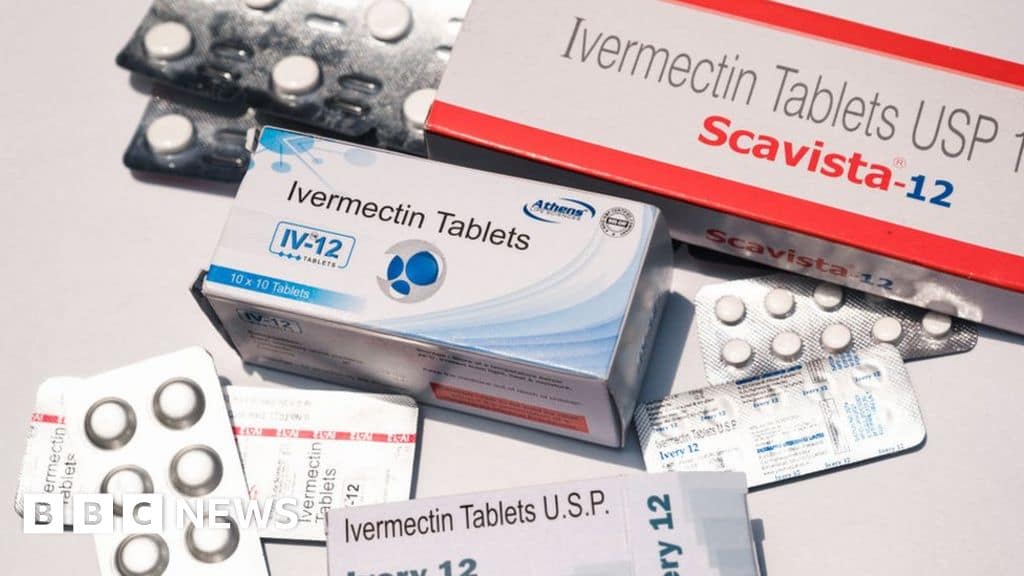
What is the Difference Between Fenbendazole and Ivermectin?
While both ivermectin and fenbendazole are antiparasitic medications, they work through fundamentally different mechanisms and target different types of parasites.
Ivermectin belongs to a class of drugs called macrocyclic lactones. It primarily targets ectoparasites (external parasites like mites and lice) and certain internal parasites by disrupting their nervous systems. Ivermectin binds to glutamate-gated chloride channels in invertebrate nerve and muscle cells, causing paralysis and death of the parasite.
Fenbendazole, on the other hand, is a benzimidazole anthelmintic that works by disrupting the cellular structure of parasites. It interferes with the parasite’s ability to absorb glucose, effectively starving them while also damaging their cellular integrity. This makes fenbendazole particularly effective against intestinal worms and certain tissue-dwelling parasites.
The key distinction lies in their spectrum of activity. Ivermectin excels at treating heartworms, mange mites, and various external parasites, while fenbendazole is the go-to choice for roundworms, hookworms, whipworms, and certain tapeworms. Many livestock owners and veterinarians actually use both medications as part of a comprehensive parasite control program, as they complement each other’s coverage.
Is Ivermectin Antifungal?
One of the most common misconceptions about ivermectin is its potential antifungal properties. The straightforward answer is no—ivermectin is not primarily an antifungal medication. It is specifically designed as an antiparasitic drug targeting worms, mites, and other parasites.
However, research has shown some promising secondary effects. Some studies suggest that ivermectin may have mild anti-inflammatory properties that could help with certain skin conditions, but this does not make it a substitute for proven antifungal treatments.
Buy Human-grade Ivermectin at an Affordable rate
Does Ivermectin Kill Ringworm?
Despite its name, ringworm is not a worm—it’s a fungal infection. Since ivermectin is not an antifungal medication, it is not the appropriate treatment for ringworm in humans or animals. Ringworm requires antifungal medications such as miconazole, clotrimiazole, or prescription-strength options like griseofulvin.
If you suspect ringworm in your livestock or pets, consult with a veterinarian for proper diagnosis and treatment. Using ivermectin for ringworm would be ineffective and could delay appropriate treatment.
Does Ivermectin Kill Candida?
Similarly, candida is a yeast infection caused by fungi, not parasites. While there have been limited laboratory studies exploring ivermectin’s potential antimicrobial properties, it is not approved or recommended for treating candida infections. Proper antifungal medications remain the gold standard for candida treatment.
Ivermectin Safety: What You Need to Know About Different Animals
Safety considerations vary significantly depending on the species you’re treating. Understanding these differences is critical to preventing adverse reactions.
Is Ivermectin Safe for Cats?
The question “can cats take ivermectin” requires a nuanced answer. Cats can receive ivermectin, but only under strict veterinary supervision and at very specific doses. Cats are more sensitive to ivermectin than many other species, and the margin between an effective dose and a toxic dose is narrower.
Ivermectin is FDA-approved for cats only for heartworm prevention at very low doses. Higher doses used for treating other parasites carry increased risks of neurological side effects, including tremors, dilated pupils, difficulty walking, and in severe cases, seizures or coma.
Never use livestock or dog formulations of ivermectin on cats without veterinary guidance. The concentration differences can be deadly.
Does Ivermectin Kill Heartworms?
Ivermectin is highly effective for heartworm prevention, but its role in treating active heartworm infections is more complex. When given monthly as a preventative, ivermectin kills heartworm larvae (microfilariae) before they can mature into adult worms.
For dogs already infected with adult heartworms, ivermectin alone cannot eliminate the infection. The “slow-kill” method using ivermectin has been attempted, but the American Heartworm Society does not recommend this approach due to prolonged infection risks and potential complications. Professional heartworm treatment typically involves melarsomine injections combined with other supportive therapies.
Where to Buy Ivermectin and Fenbendazole Safely
With increased interest in these medications, many people ask “where to get ivermectin and fenbendazole” or “how to get ivermectin and fenbendazole.”
Legitimate Sources for Purchase
Livestock formulations can typically be purchased at:
- Agricultural supply stores (Tractor Supply Co., Rural King, local feed stores)
- Online veterinary supply retailers
- Directly from veterinarians
Pet formulations should ideally be obtained through:
- Your veterinarian (recommended for proper dosing and safety)
- Licensed online pet pharmacies with valid prescriptions
- Pet supply stores (for over-the-counter heartworm preventatives)
Where to Buy Ivermectin Paste
Ivermectin paste, commonly used for horses, is widely available at agricultural supply stores and online retailers. The most popular formulation is the 1.87% paste packaged in syringes calibrated by weight. While readily accessible, remember that horse paste is formulated for equine use and should only be used for horses unless specifically directed by a veterinarian.
Buy Ivermectin Cream from GenixMeds
Proper Dosing Guidelines for Common Applications
Incorrect dosing is one of the most common mistakes when using these medications. Here are general guidelines, though you should always consult with a veterinarian for your specific situation.
How Much Ivermectin for Goats
Goat owners frequently ask “how much ivermectin for goats” or “how much ivermectin to give a goat.” The typical dose is 0.2-0.3 mg per kg of body weight, administered orally or by injection. For a 100-pound goat, this translates to approximately 9-13.6 mg of ivermectin.
However, goats metabolize ivermectin faster than cattle, which is why many veterinarians recommend dosing at the higher end of this range or even slightly above label recommendations. Always use a proper dosing syringe and calculate based on accurate body weight.
Safeguard Dosage for Dogs (Fenbendazole)
Fenbendazole, often sold under the brand name Safeguard, is commonly used in dogs. The standard dosage is 50 mg per kg of body weight, given once daily for three consecutive days. Many owners use the goat dewormer formulation (Safeguard for goats) as it’s often more economical for larger dogs.
For example, a 50-pound dog would need approximately 1,135 mg (1.135 grams) of fenbendazole per dose. The goat formulation typically comes as a 10% suspension, making dosing calculations straightforward.
What is a Good Binder for Ivermectin?
The concept of using binders with ivermectin has gained attention in certain communities. A binder is a substance that can help eliminate toxins or medications from the body by binding to them in the digestive tract.
Common binders mentioned include:
- Activated charcoal
- Bentonite clay
- Chlorella
- Modified citrus pectin
However, the scientific evidence supporting the use of binders with ivermectin is limited. If you’re considering using a binder, timing is important—take it several hours away from the medication to avoid interfering with absorption. Always discuss supplement interactions with a healthcare provider or veterinarian.
Frequently Asked Questions (FAQs)
Q: Is Zimecterin the same as ivermectin?
A: Zimecterin is a brand name for ivermectin paste specifically formulated for horses. While it contains ivermectin as the active ingredient, it’s the same chemical compound—just marketed under a different brand name with specific equine labeling.
Q: What is the shelf life of ivermectin?
A: Properly stored ivermectin (in a cool, dry place away from light) typically has a shelf life of 2-3 years from the manufacturing date. Once opened, injectable formulations should be used more quickly—generally within 6-12 months. Always check expiration dates and discard outdated medication.
Q: Can you use dog dewormer on cats?
A: This is not recommended. Cats have different metabolic pathways and sensitivities than dogs. Some dog dewormers, particularly those containing pyrantel pamoate or praziquantel, may be safe for cats in appropriate doses, but fenbendazole (Safeguard) and ivermectin products formulated for dogs can be dangerous for cats without veterinary guidance.
Q: Does ivermectin kill tapeworms in dogs?
A: No, ivermectin is not effective against tapeworms. Tapeworms require specific cestocidal medications like praziquantel or epsiprantel. This is one reason why broad-spectrum dewormers often combine multiple active ingredients to cover different parasite types.
Q: How long does dewormer take to work in cats?
A: Most dewormers, including fenbendazole, begin working within hours of administration, but you may not see visible results (such as dead worms in feces) for 1-3 days. Complete elimination of the parasite burden may take several days to weeks, depending on the severity of infestation and the type of parasite.
Q: Will ivermectin kill heartworms in dogs?
A: Ivermectin prevents heartworm infection when given monthly but does not effectively kill adult heartworms already established in the heart and lungs. Active heartworm infections require specific adulticidal treatment protocols supervised by a veterinarian.
Final Thoughts: Responsible Use is Essential
Both ivermectin and fenbendazole are powerful tools in parasite management, but they must be used responsibly and appropriately. While these medications are relatively safe when used correctly, misuse can lead to serious health consequences for your animals.
Key takeaways:
- Understand the specific parasites you’re targeting
- Use proper dosing based on accurate body weight
- Be aware of species-specific sensitivities
- Purchase from legitimate sources
- Consult with a veterinarian, especially for pets
- Never assume one medication can replace another
Whether you’re managing a farm full of livestock or caring for beloved family pets, knowledge is your best tool. By understanding how these medications work, when to use them, and how to use them safely, you can make informed decisions that protect the health and wellbeing of your animals.
Remember, this guide provides general information and should not replace professional veterinary advice. Every animal is unique, and individual circumstances may require different approaches to parasite control.